The destination is a guide, not a sentence
As I told you in the previous post, I was left with a strange feeling. When I worked at 1bot I was tired, I had an incredible burnout and, above aaaall, I didn't feel like doing anything anymore. Moving to Xela saved my life, because it was a way to disconnect from everything. Four years later I see everything that was there and didn't move forward, but I also see myself: with more experience, more drive, and a much better understanding of the rules of the game.
I was really happy, really content, when I worked at 1bot, a venture I helped found back then. That's exactly what José and I were talking about: when can you say "I co-founded this" or "I was the founder of that"? Where's the line between "several of us did it", "I did it alone" or "I paid others to do it"?
We agreed that the level of involvement and the investment are part of being a co-founder, and not just the money: also time, love and a lot of patience to be able to build something. And most importantly, it has to be clear among everyone involved. In 1bot's case, out of inexperience, I didn't make it clear: I consider myself a co-founder, but we never put it in writing and everyone sees it their own way. So if you have or are about to start a company or a venture, make this clear. Talk about it as friends, make it completely explicit and you'll have a better road ahead, even when the time comes to go separate ways.
I bring this up because there was a meeting where I was asked: "Where should we be heading?". At the time I was in charge of technology. I handled the educational side, tutorials and classes; I designed the first draft of the curriculum we were going to use, put together the team that would carry it out, looked at platforms, users, etc. I wasn't the leader, and in my mind everything was very rigid: when you're at the top leading, you have to know a bit of everything, but not do everything.
So I told them: "Look, leading isn't my job. I'm the person who's going to make your vision come true". I proposed going for something more community-based: community wireless networks, and taking ADA, a cross-platform project based on Kolibri (a really good open LMS) that uses a local server to provide wifi and access to online classes, to places where people don't have internet, so all those communities could connect. It was ambitious, but very technical. 1bot's vision at the time was for kids who couldn't access robotics to do so through a one-for-one business model: a private school bought a robotics kit and that helped pay for an identical one for a public school. That's how robotics went from private to public without giving anything away or taking from anyone, with a business model we had already tested and that worked quite well.
We talked for quite a while and I told them: "Look, as head of technology it's not my place to propose the vision; that's your task, your job. Whichever way you want to go, I'll make sure it gets done". I think putting the responsibility of deciding where we were going on the other person was too much, and a distance began that kept getting harder, until the best thing was to resign.
But that's a story for another time. Back then we didn't have a destination, we didn't have a place to get to; we were sailing a bit in the dark, without a star to follow. The venture is still running: I left, I moved, and it took a couple of years for it to get back the speed at which we had been doing things and pivoting. That makes me really happy, but it leaves me wondering what would have become of it if we'd had (not even a better north, but at least) a north.
These days with José, whom I've known for a long time but now with both of us more experienced, I've noticed the difference between a leader who knows where they want to go and those who improvise the course as they go. My stance is still the same: help get to that north. The idea from the start was simple: get to Costa Rica by a certain date. We didn't need more. We had the tools: the car, the bike and the computers to keep working while we ride. (As I write I'm realizing I've picked up ChatGPT's "it's not X, it's Y" style HAHAHA, honestly awful. Stop writing with AI, it makes us less productive). I took the leap of faith: I moved from Xela to La Antigua, to my grandmother's house, closer to the capital. On Saturday, before the journey even started, I already had 200 km on my back, and on Sunday we set off toward El Salvador.
José and I have a routine: on the way, he finds where we're going to sleep and my job is to get us there. Sometimes the map shows a good road for pedaling and José says: "Look, drop me off here and I'll ride". Or the other way around: I see the road is nice and wide and tell him "go for it here" or "I'm riding this one", and off we go. José sets the destination, but we split how to get there; not evenly, because that's not possible, but some days it's more him and other days more me.
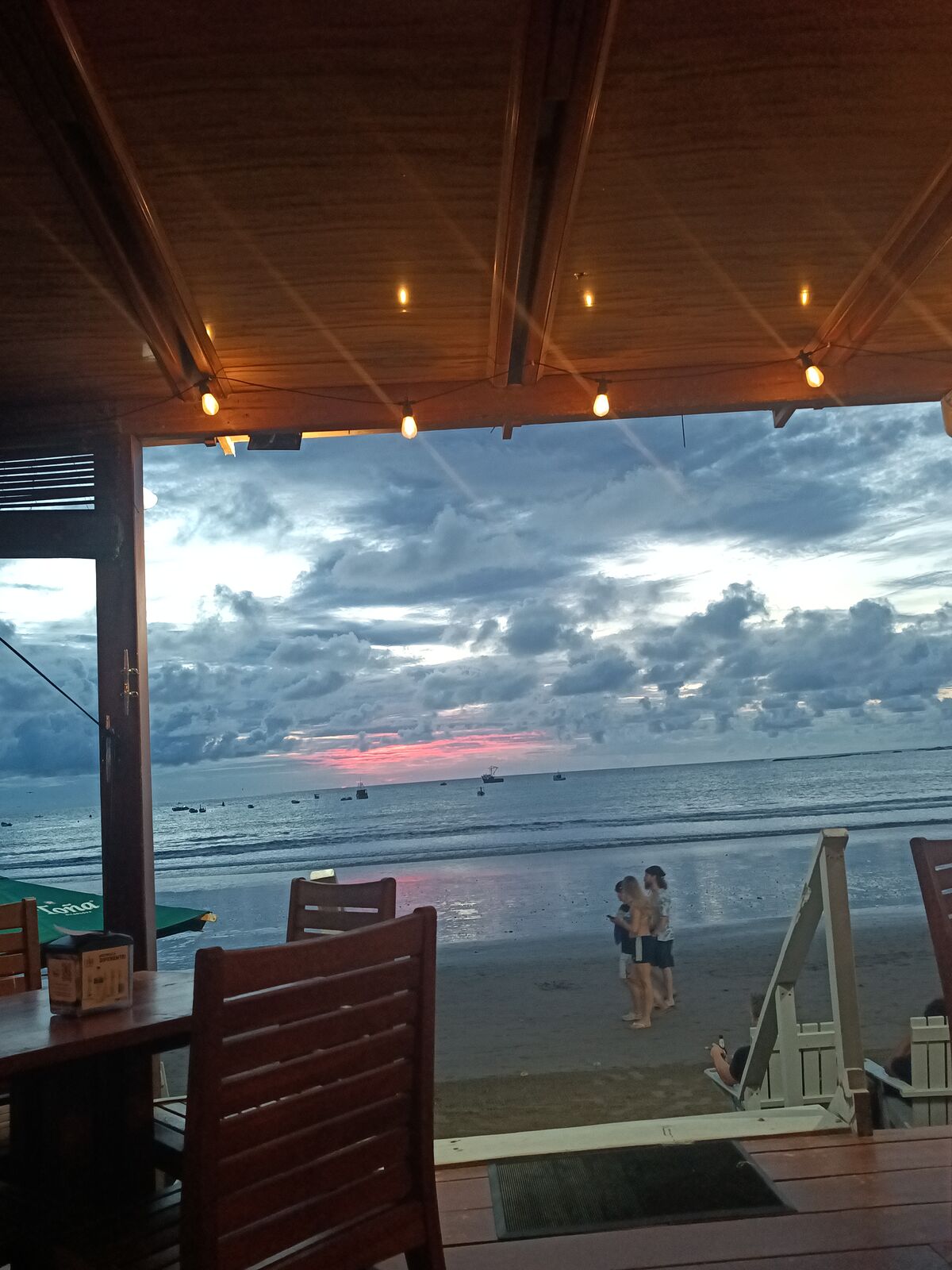
While I was driving to San Juan del Sur I realized that's exactly what you need. It doesn't matter if the north isn't the right one, because it can change; what matters is moving toward some point. As Fernando Birri said: utopia is on the horizon… that's what it's for, for walking.
That said, leaders are often so rigid that if things aren't done their way, it's wrong. When they set a destination, what they usually do is put everyone else in a tight spot: they don't consider what others have to say and, instead of being an enjoyable adventure, the journey only serves to get things delivered, and in the end the collaborators end up quitting. I have to say that being tough isn't necessarily bad, but you need flexibility when you lead.
I've had quite a few projects; some are harder and some less so, but my plan and my role have always been the problem-solver's. Sometimes I advise, other times I get involved, but I always take people toward their north, which gets defined as the project moves along. At Creabot the role has been different, because as a partner it's up to me to steer the company where I want it to go, where I want to be and where I can best support our clients. It's no longer about solving problems, but about drawing the line and saying: "Guatemala has to do this in the tech and hardware industry". Thanks to that, lately I've been invited not only to give technical talks, but also to advise, to inspire and even to help create laws so that electronics becomes a real industry in Guatemala.
José and I know we have to reach Costa Rica within a specific time, but what we do in that time is our decision. We'll have delays and things we won't know how to solve, like the car insurance thing, but we're sure nothing will stop us.
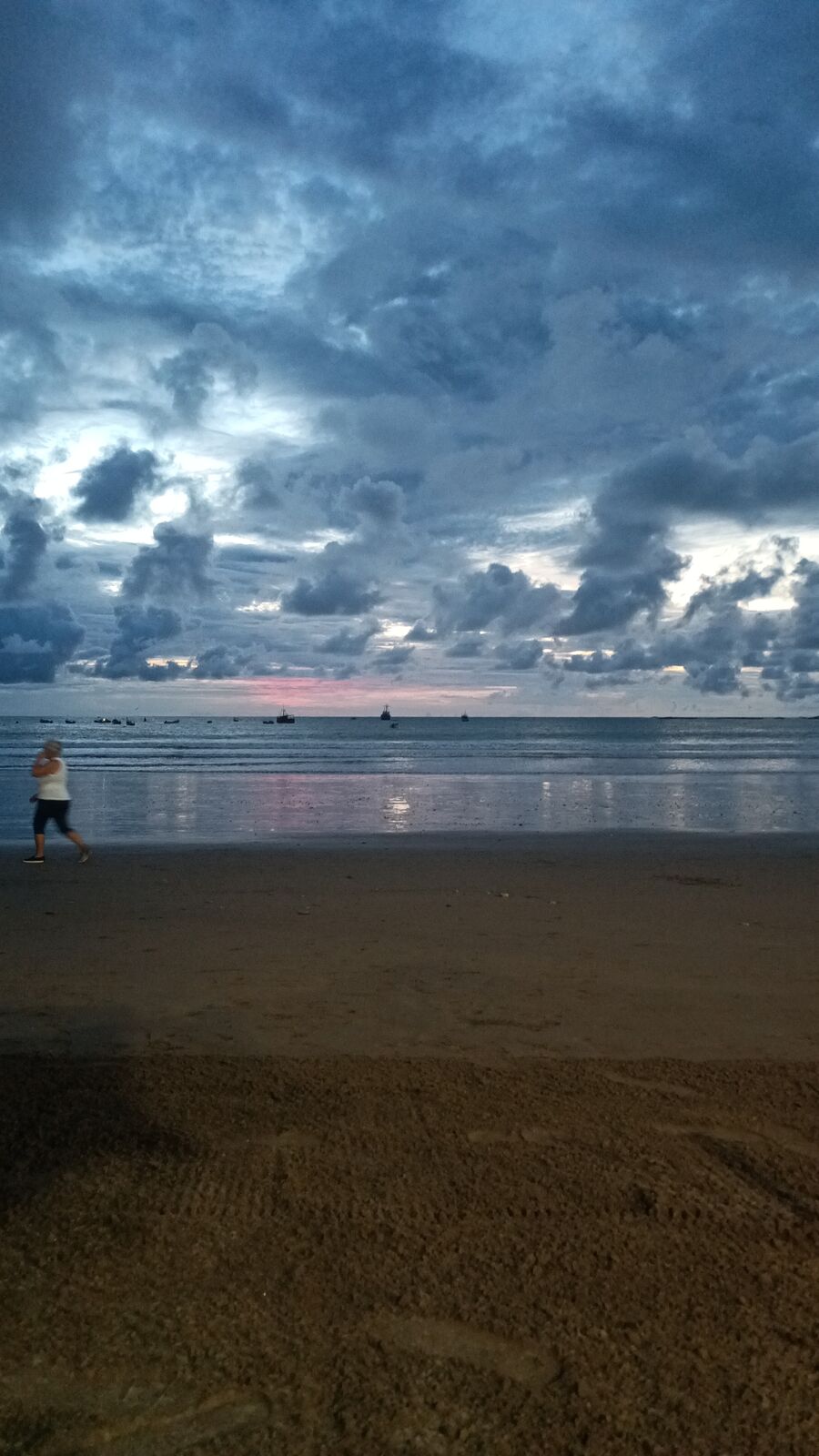
So I'll leave you with a question: what's your north, and what are you doing to get there?
👆 Tap or click any point on the map to read that day's chapter.